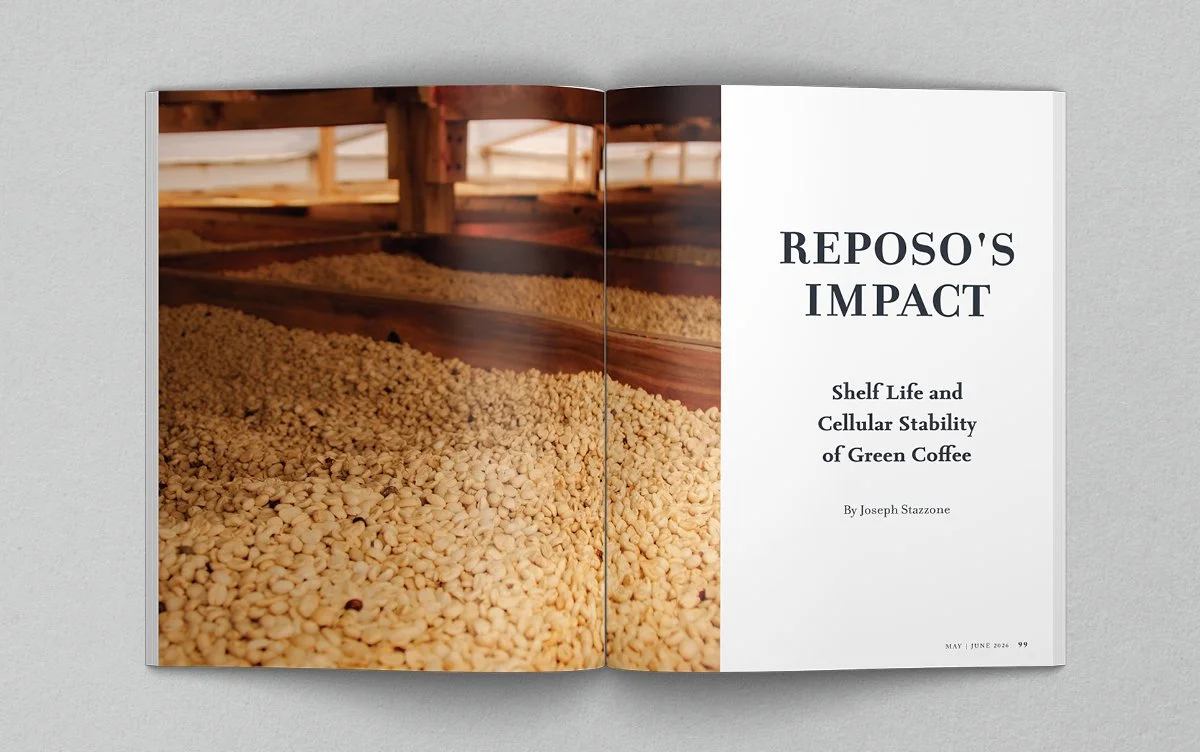
By Joseph Stazzone
Most of us in specialty coffee have accepted a familiar assumption: Green coffee has a relatively fixed shelf life.
After about 12 months—sometimes sooner, sometimes later—we expect sweetness to fade, acidity to flatten, and papery or woody flavors to appear. This expectation didn’t emerge arbitrarily. It developed as part of the way the coffee trade manages risk, logistics, and financing spread across long supply chains. Importers, roasters, and producers plan buying calendars around fresh arrivals. Pricing often reflects crop age, and storage decisions are built around the idea that quality decline is unavoidable over time. Terminology such as “new crop,” “past crop,” and “old crop” functions primarily as harvest-year identifiers rather than sensory descriptors—tools to distinguish availability within annual cycles, not to define flavor.
Since this framework generally works, it is rarely questioned. Fresh crop coffees are often preferred, older lots are discounted, and most of the time the sensory results reinforce those decisions. The assumption holds well enough that few of us stop to ask whether aging itself might sometimes behave differently under certain conditions.
What led us to question that assumption was not theory, but taste.
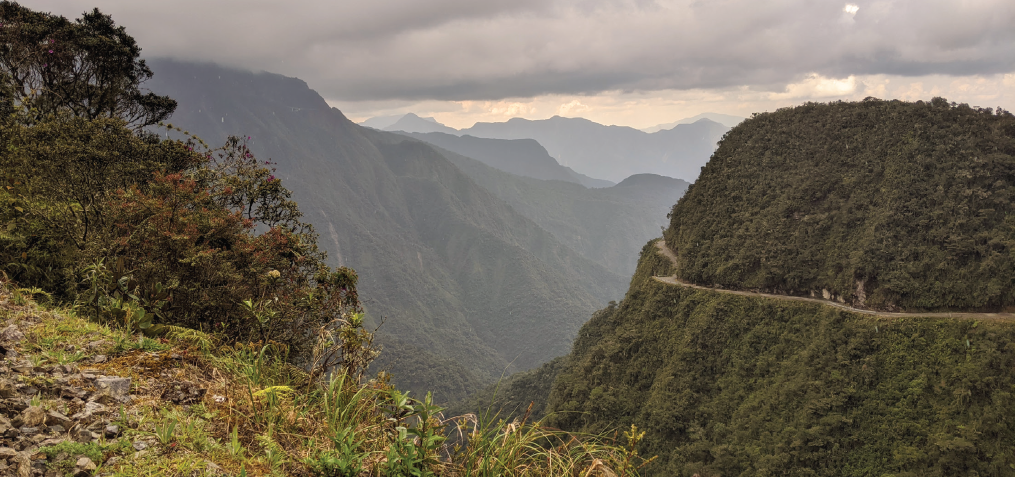
The road from La Paz to Caranavi, Bolivia. Photo courtesy of Joseph Stazzone
AN ANOMALY THAT DIDN’T FIT
Beginning in 2022, we noticed that several coffees from Bolivia were behaving differently. Lots that were 18 to 20 months post-harvest still cupped clean, sweet, and structurally intact—well above specialty thresholds and far beyond what we expected.
What these coffees had in common wasn’t variety, processing style, or packaging. It was where they rested after drying.
Much of the coffee we work with in Bolivia is transported to El Alto, a high-altitude city overlooking La Paz that sits at roughly 4,100 meters above sea level. Traditionally, this step has been practical rather than scientific. Coffee is moved there for sorting, consolidation, and export logistics. The “reposo,” or rest period, that follows is generally understood as a time for lots to stabilize after drying and prepare for sampling and subsequent shipment. Producers, exporters, and importers often observe that coffees taste grassy if this step is rushed, and more settled and clearer after a proper resting period.
At this altitude, however, the storage environment is unusual. Barometric pressure is roughly 60 to 65 percent of that at sea level, resulting in approximately 35 to 40 percent less oxygen. In practical terms, this means coffee resting in El Alto is held in a cooler, lower-pressure environment with less oxygen available for chemical and biological reactions than in most global coffee storage and export locations closer to sea level.
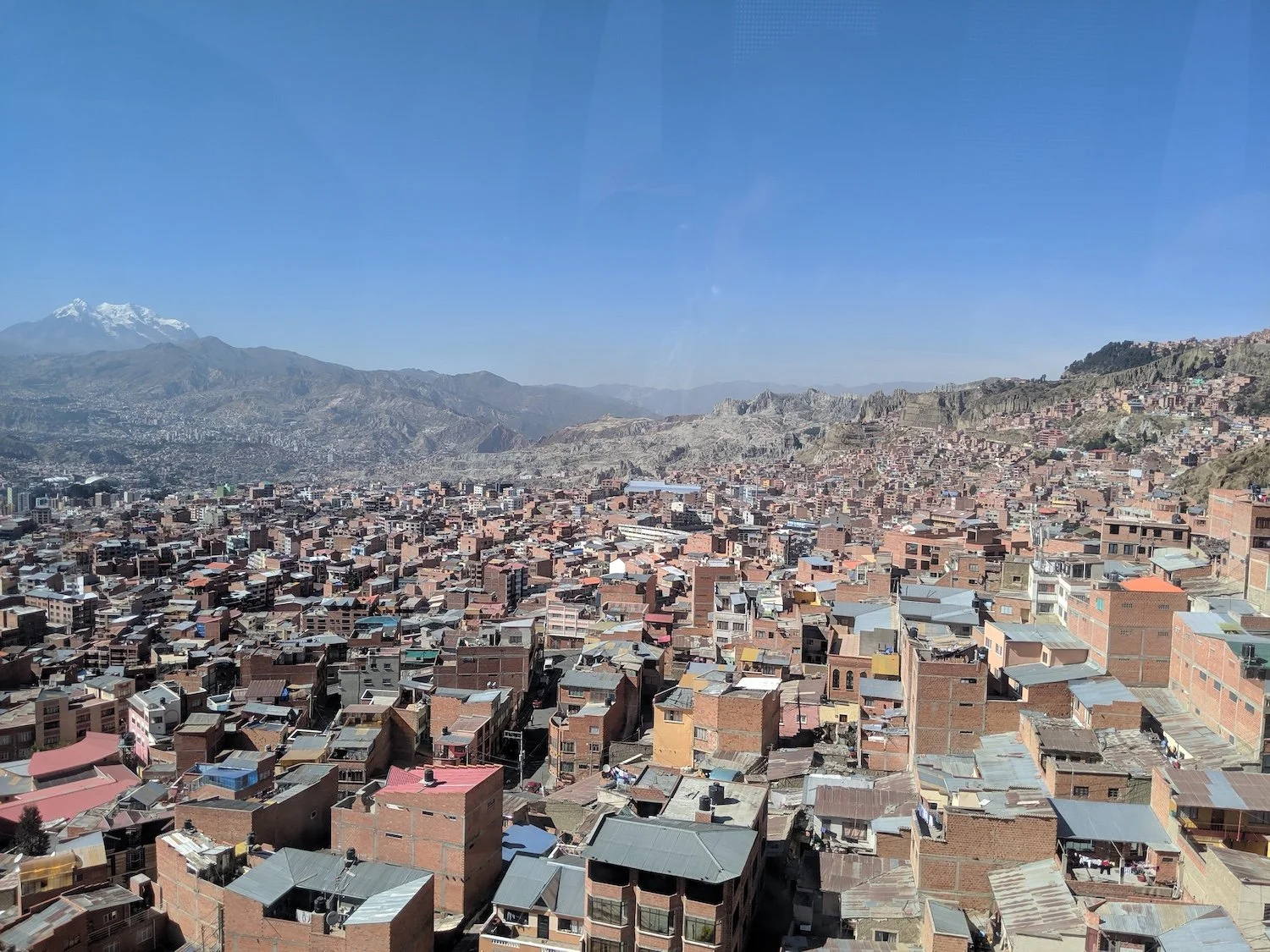
The expansive metropolitan area of El Alto and La Paz, Bolivia. Photo courtesy of Joseph Stazzone
After drying, coffee often undergoes a reposo before export of approximately six to eight weeks. During this time, the coffee, still in parchment, sits in a cool, stable, and relatively low-oxygen environment. When considered in this light, El Alto functions unintentionally as a natural low-oxygen warehouse—conditions that are rarely replicated intentionally in post-harvest coffee storage, yet potentially influential in how green coffee ages over time.
When coffees that had undergone this reposo continued to cup well long past their expected window, we decided to study the phenomenon more intentionally.
FRAMING THE QUESTION
Green coffee is not an inert agricultural product. It is a living seed. Even after harvest and drying, it continues to respire slowly, consuming oxygen and metabolizing stored compounds as it maintains cellular integrity while awaiting conditions suitable for germination.
This means aging in green coffee is not purely passive. Unlike fully inert commodities—such as dried minerals or processed materials that remain chemically stable unless exposed to contamination—green coffee continues to undergo gradual internal change. Sugars, lipids, and organic acids slowly participate in metabolic and oxidative reactions, and the rate at which those reactions occur is influenced by environmental conditions.
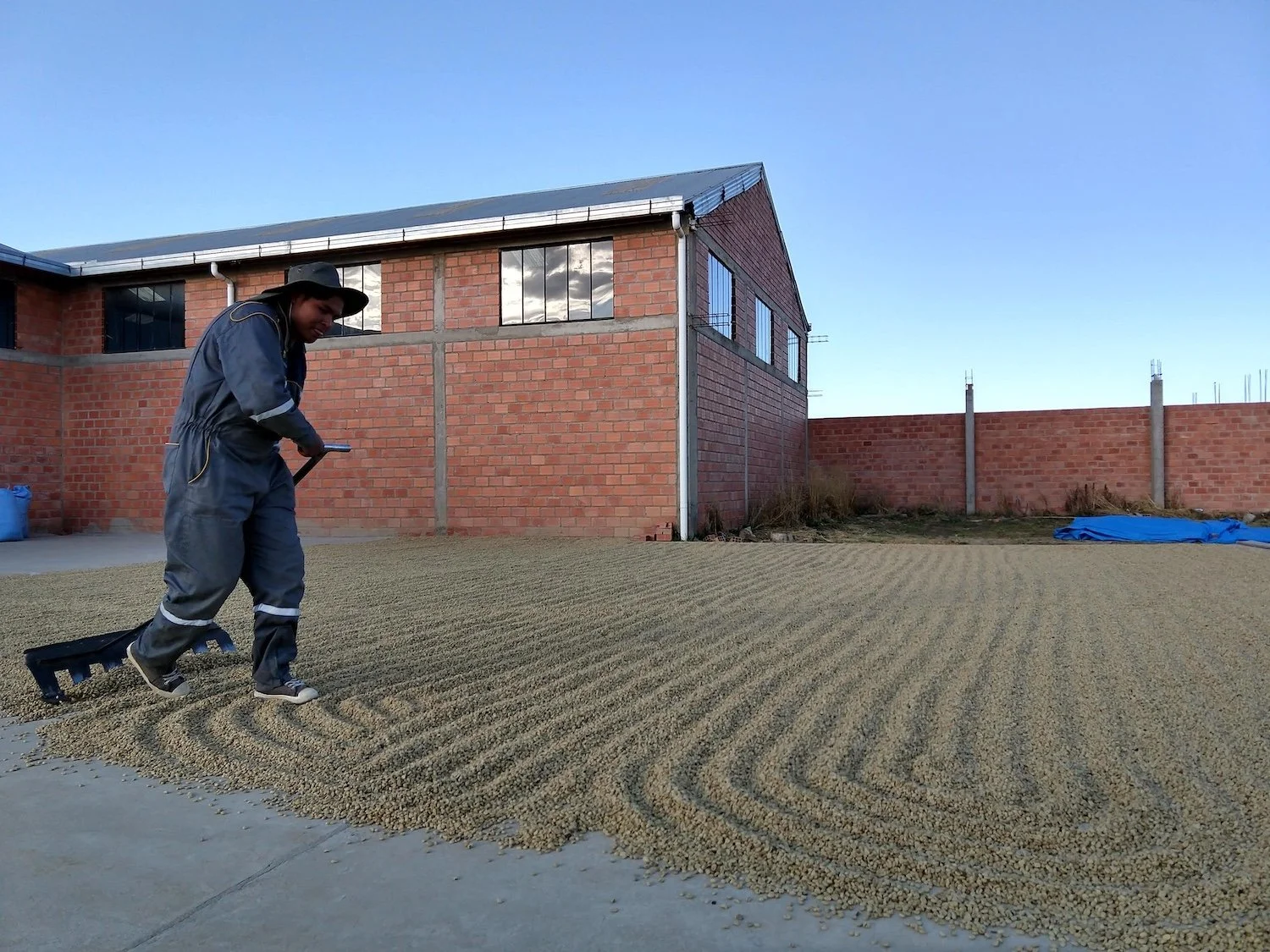
Coffee drying at El Alto. Photo courtesy of Joseph Stazzone
Oxygen availability, temperature, and pressure all matter because they affect how quickly these reactions take place. Higher temperatures and greater oxygen availability generally accelerate metabolic and oxidative processes, while cooler or lower-oxygen environments can slow them. As a result, the conditions under which the green coffee rests after drying may influence how quickly sensory qualities decline over time.
Rather than asking whether reposo “improves” coffee, we asked a narrower question: Does reposo influence how coffee ages?
Our working hypothesis was straightforward and cautious: Reposo at high altitude appears to slow metabolic processes in green coffee, preserving sugars and organic acids for longer periods of time.
STUDY DESIGN: ONE COFFEE, TWO PATHS
We began a structured study in 2023 to explore this. We used coffee from the same farm, the same harvest, and the same processing. We split the lots evenly into two:
One portion underwent reposo in El Alto, Bolivia, before being shipped to the United States.
The other was shipped to the United States immediately after drying, without reposo.
After arriving in the United States, both coffees were stored under identical controlled ambient conditions, at room temperature in GrainPro bags.
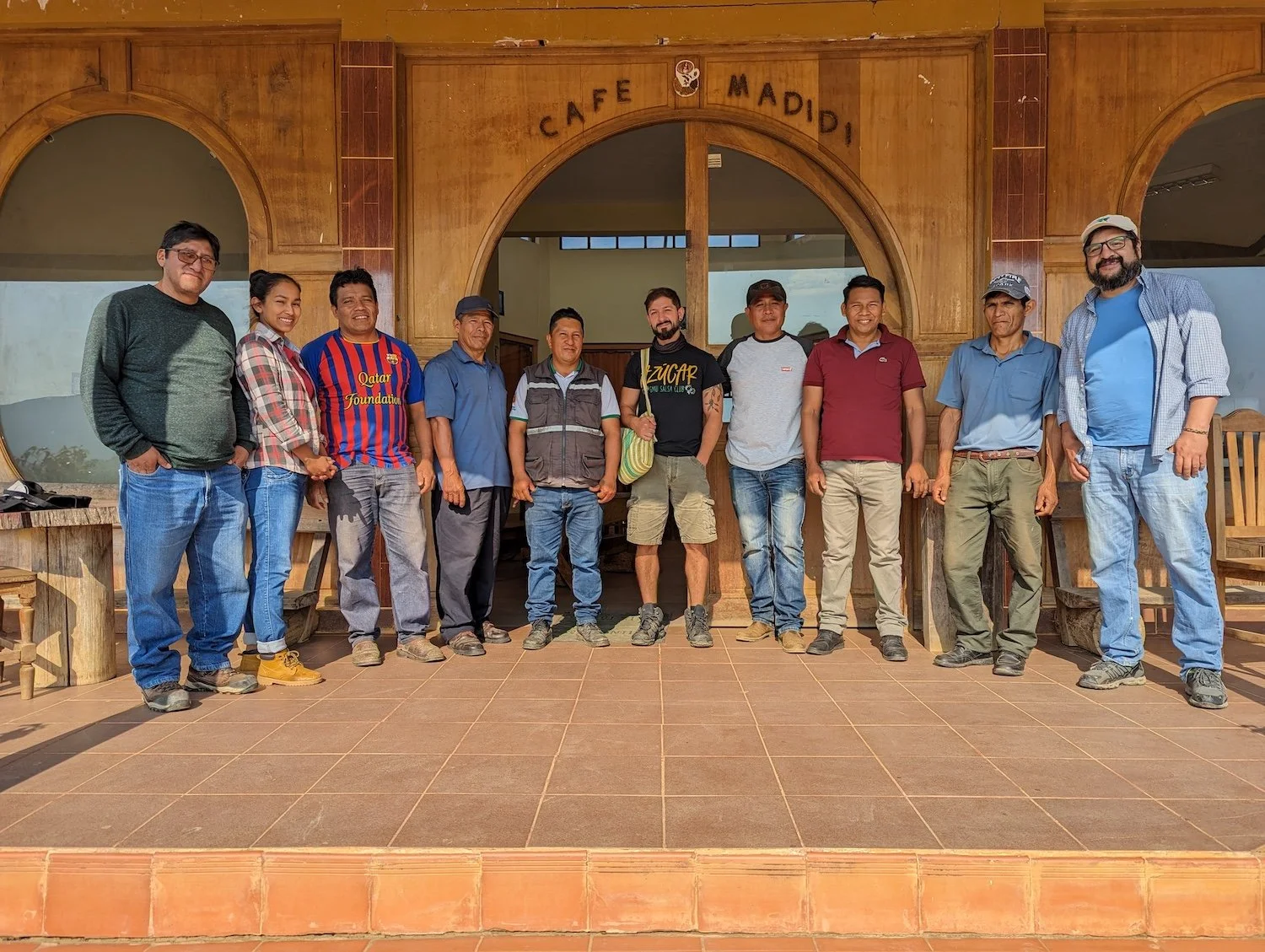
The Wildlife Conservation Society team and Cafe Kreyol post-harvest process technicians in Apolo, Bolivia. Photo courtesy of Joseph Stazzone
At origin, the Wildlife Conservation Society (WCS) played a critical role during the reposo period. WCS staff, led by Jorge Rojas, managed the lots in El Alto, monitored environmental conditions, and ensured variables were carefully controlled and documented prior to separation and shipment. These details were essential in isolating the reposo period as a meaningful point of comparison.
In the United States, Cafe Kreyol worked in close collaboration with academic and field-based partners. Cafe Kreyol staff worked alongside collaborators at North Carolina State University and the University of Arizona to conduct measurements and monitoring, allowing us to carefully track the data across multiple environments and over time.
WHAT WE MEASURED—AND WHY
Rather than relying on specialized or inaccessible instrumentation—such as seed respiration analyzers used to measure oxygen consumption and metabolic rates—we emphasized replicability and practical relevance over technical novelty. Instead, we focused on physical and sensory measurements already widely used across the coffee industry, not because they are simple, but because they are meaningful indicators of how green coffee behaves over time. These are the same parameters roasters, importers, and producers rely on daily to assess quality, stability, and risk. (See Figure 1.)
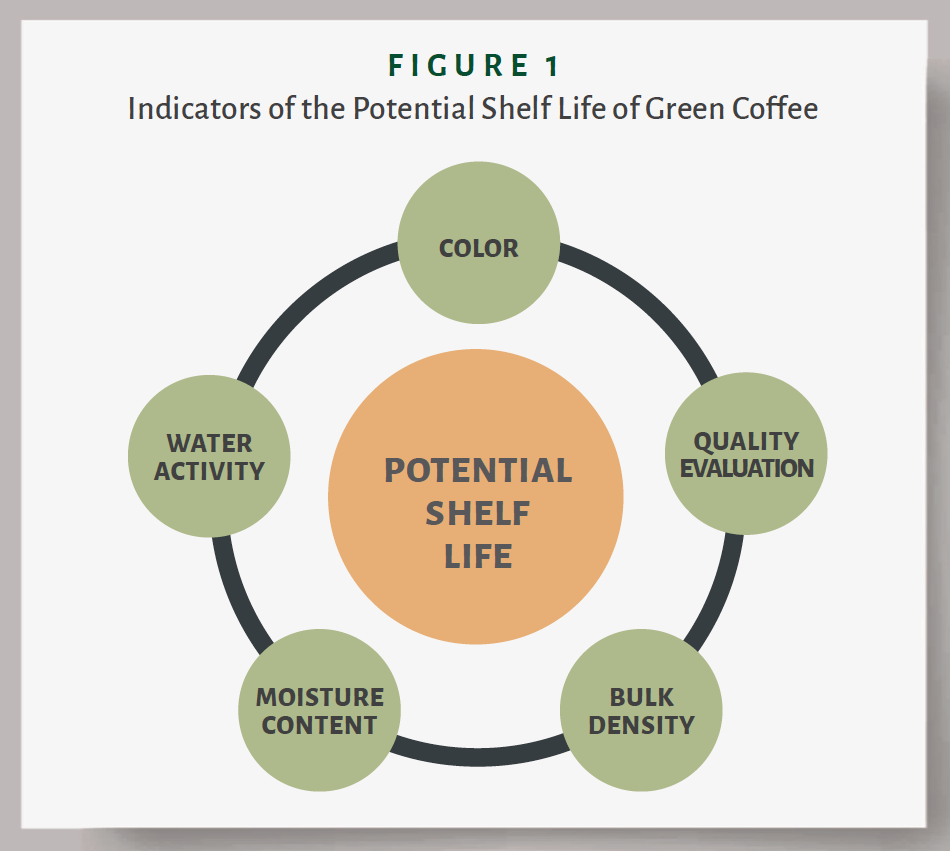
To that end, we measured and tracked moisture content; water activity; color, using the L*a*b* scale; sensory performance over time; and bulk density. The goal was not to isolate a single mechanism, but to identify signals that reflect the biological and physicochemical state of a seed as it ages, and that could help explain the sensory behavior we were observing.
Moisture Content and Water Activity: A Key Difference
Both coffees gradually lost moisture over drier months and partially rebounded during more humid seasons. However, reposo coffees consistently retained slightly higher moisture content and water activity across nearly all time points. (See Figure 2.)
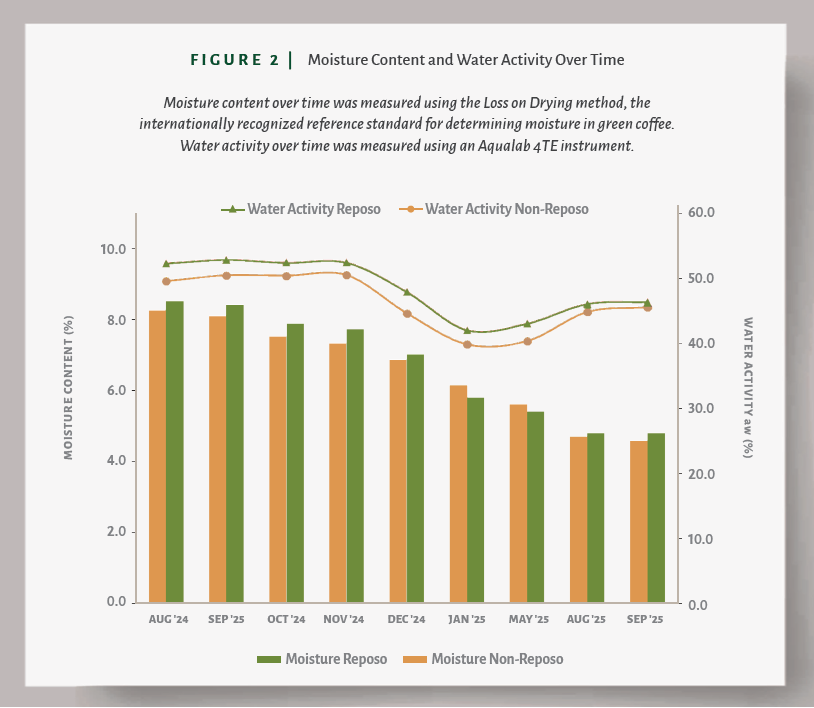
This distinction matters because green coffee is a living seed, and water availability directly influences how that seed behaves over time. Water activity reflects the amount of available water that can participate in chemical and biological reactions. While total moisture tells us how much water is present, water activity tells us how active that system is.
Reposo coffees maintained a slightly more stable water activity profile, with less pronounced fluctuation over time, indicating they were less reactive to shifts in humidity and temperature. This stability suggests a slower pace of internal chemical activity, reducing the cumulative stress a seed experiences over time. Rather than constantly adjusting to changing conditions, these beans linger in a buffered, steady state—one that appears to slow aging and preserve sweetness, acidity, and overall sensory clarity well beyond typical expectations.
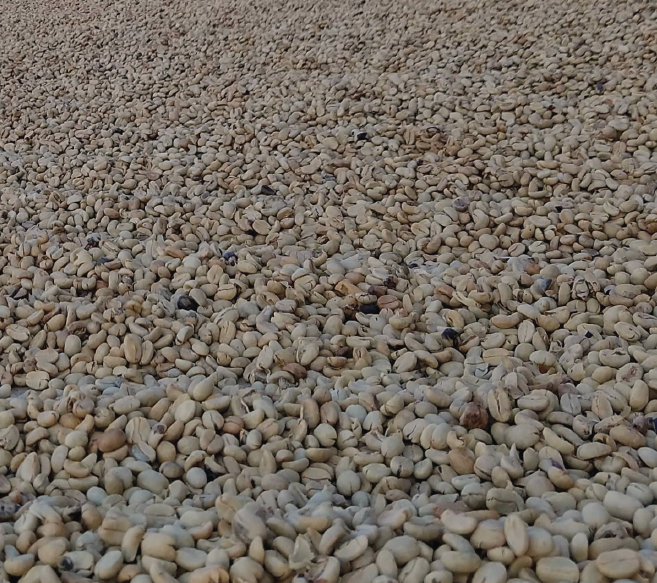
Photo courtesy of Joseph Stazzone
Color: A Sign of Aging
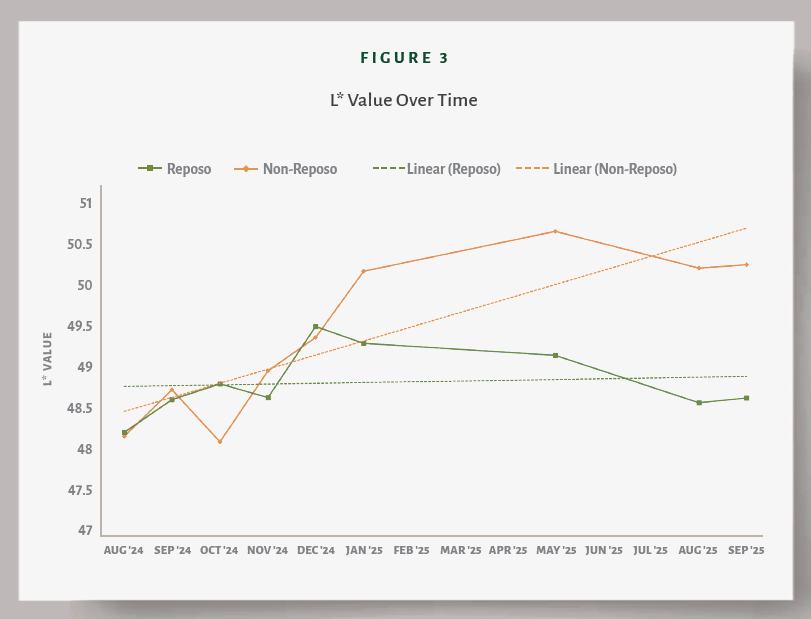
Color analysis was measured using the L*a*b* system, a standardized method commonly used in food science to quantify color changes. In this system, L* refers specifically to lightness, measured on a scale from 0 (black) to 100 (white). In green coffee, increases in L* values are often associated with aging and oxidative change, as beans tend to appear lighter and more faded over time.
Over the course of the study, non-reposo coffees showed greater increases in L* values, becoming lighter in appearance, while reposo coffees changed more slowly. (See Figure 3.) Although color alone does not determine quality, shifts in L* can serve as a useful visual indicator of underlying chemical and oxidative processes that often correlate with sensory decline.
Density: Structure Stability
Bulk density was measured using a graduated cylinder and an immersion-displacement method, in which a known volume of water was recorded (A), approximately 50 grams of green coffee (B) was added, the resulting change in volume was measured (C), and the density was calculated as bean mass divided by displaced volume (B / (C - A)).
This remained remarkably stable for both reposo and non-reposo coffees throughout the study, averaging approximately 0.72-0.74 g/mL. This suggested that large-scale structural collapse or physical degradation was not driving quality loss in either case.
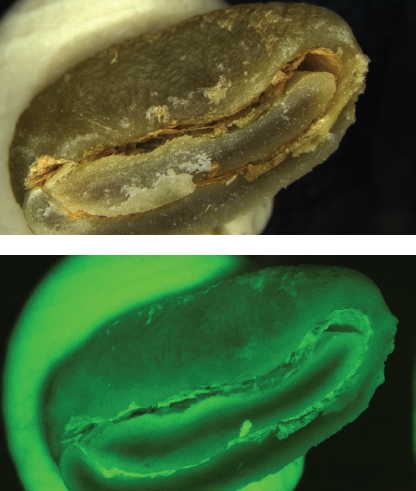
Green coffee bean, shown in natural lighting and under a fluorescent light, displaying potential cellular respiration. Photos courtesy of Joseph Stazzone
INTERPRETING THE PHYSICAL PATTERNS
Taken together, these measurements point toward differences in how the two coffees responded to their environments over time. “The results suggest that high-altitude green coffee storage may affect some metabolic and physicochemical processes, promoting greater moisture and water activity stability,” says Lina Maria Rayo-Mendez, a postdoctoral research scholar at North Carolina State University. “The environment dramatically influences coffee quality changes over time, with relevance for transport, inventory management, and long-term storage decisions.”
Her interpretation helped frame the physical data not as isolated metrics, but as indicators of how a living seed responds to storage conditions.
SENSORY OUTCOMES OVER TIME
The most compelling confirmation came from the cup. According to Brian Majewski, quality control manager at Cafe Kreyol, “Even after 18 to 20 months post-harvest, the reposo lots still presented with a clear malic acidity and a surprisingly defined caramel sweetness, along with none of the papery notes that we would expect from a coffee of that age.”
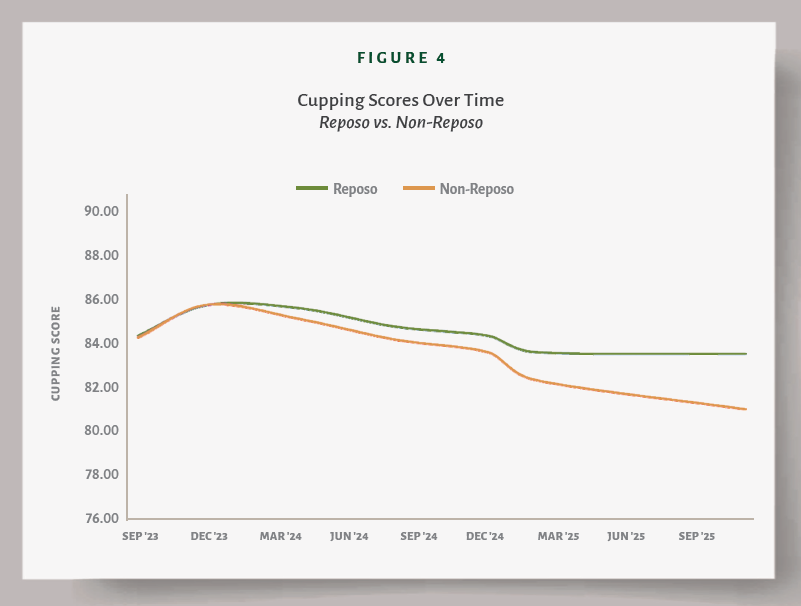
This was not a one-off result. Sensory evaluation is inherently somewhat subjective, but repeated blind tastings over time can reveal consistent patterns that help interpret how a coffee is aging. Across multiple evaluations, reposo coffees consistently retained clarity and sweetness longer than their non-reposo counterparts, and even at 24 months, lacked the papery or woody off-flavors that typically signal advanced age in green coffee, which were increasingly present in the non-reposo lot over time. (See Figure 4 for cupping scores.)
INTERPRETING THE RESULTS CAREFULLY
It would be premature to claim that high-altitude reposo alone determines shelf life, or that metabolic activity has been directly measured or controlled. What the data does suggest is a relationship between post-harvest environment, metabolic activity, and the rate at which green coffee quality declines.
“Extending green coffee shelf life would benefit coffee producers and roasters around the world,” says Gabriel Keith Harris, a professor of food science at North Carolina State University. “This study suggests that controlling the metabolism of green coffee is a practical, cost-effective way to extend shelf life and to maintain the flavor quality of the resulting roasted coffee.”
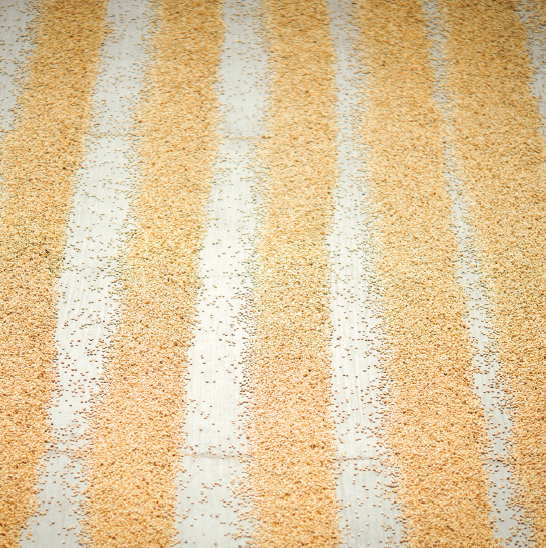
Coffee drying. Photo by Juan José Sánchez Macías
Importantly, this perspective emphasizes approaches that do not rely on freezing or energy-intensive infrastructure. These methods are often inaccessible to producers and impractical for many roasters.
RETHINKING SHELF LIFE
Thinking of shelf life as an active interaction changes how we might approach storage, shipping, and inventory decisions. Rather than treating age as a strict deadline, roasters and producers can pay closer attention to environmental conditions and the coffee’s actual state, using physical and sensory cues to guide timing and handling. This perspective encourages more intentional, responsive decision-making across the supply chain, rather than assuming decline is inevitable within a prescribed timeframe.
Shelf life in coffee is often treated as a passive condition; many assume it simply declines over time. Our findings suggest it may be more accurate to think of shelf life as responsive, shaped by how a living seed interacts with its environment after harvest. In this framing, physical measurements such as moisture, water activity, and color become signals of biological state rather than static checkpoints.
This work naturally raises new questions. If altitude and environmental stability influence green coffee metabolism, can similar effects be achieved elsewhere? The next phase of this research will explore controlled, depressurized storage environments designed to mimic certain aspects of high-altitude conditions. Similar approaches are already used in other agricultural industries to slow respiration and extend shelf life.
As with this study, the goal is not to declare solutions in advance, but to continue asking better questions grounded in data, taste, and collaboration. This study began with a simple observation in the cup. Following that observation led us into biology, physics, and long-term measurement—not to challenge established practice for its own sake, but to understand it more fully.
Green coffee is a living system. When we treat it as such, we may find that its shelf life is not as fixed as we once believed.
* * *
JOSEPH STAZZONE is president and “chief coffee hunter” of Cafe Kreyol. A licensed Q Grader and Coffee Quality Institute educator, he specializes in fermentation and post-harvest processing, working hands-on with producers worldwide. An international Cup of Excellence juror, his company was named 2023 Macro Roaster of the Year by Roast magazine and earned a gold award at the 2025 Global Coffee Awards.
Advertisement