Explore the Sessions
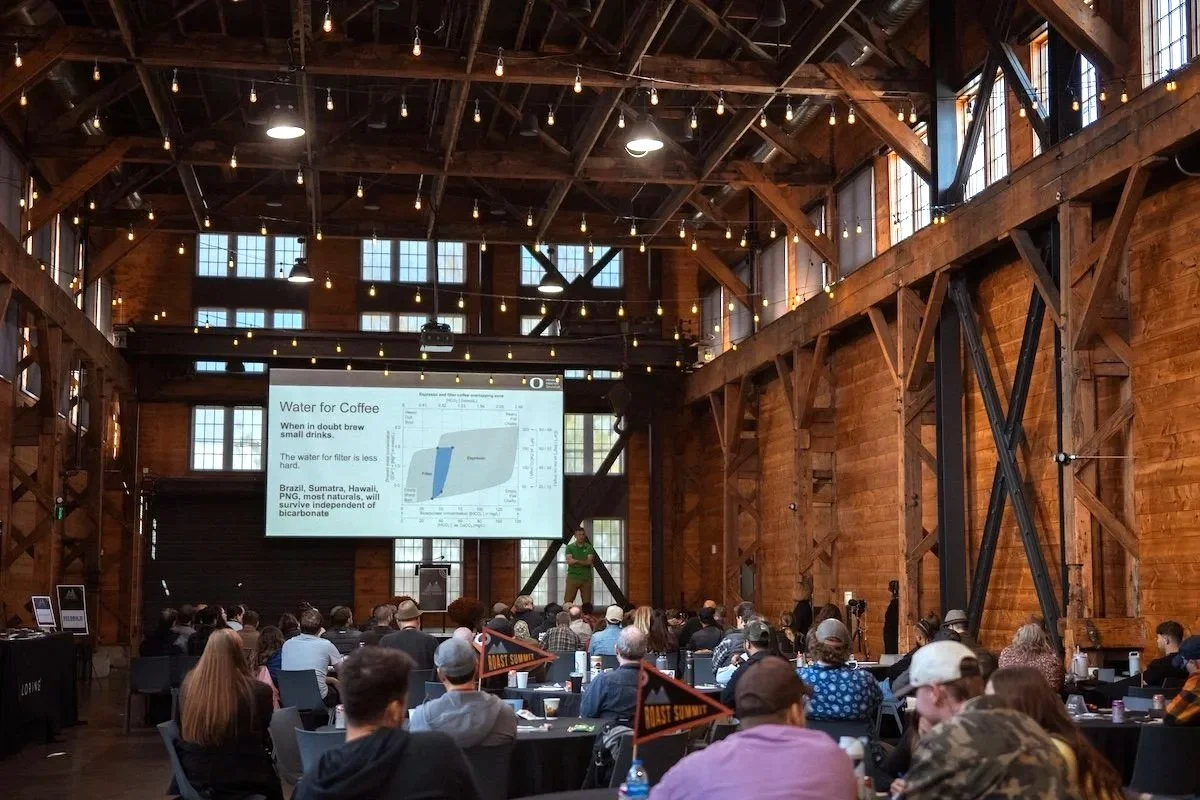
Roast Summit Portland features educational sessions designed for coffee professionals across roasting, sourcing, production, quality, and business operations. Whether you're looking for practical takeaways, technical insights, or fresh perspectives from industry experts, our sessions are built to spark ideas and meaningful conversation.
Check out our confirmed lineup of sessions below, with additional topics and speakers to be announced.

The Business of Roasting: Understanding Your Numbers and Improving Profitability
Running a successful roasting business requires more than producing great coffee—it requires understanding the business behind the roast. In this practical session, Laila Ghambari draws on her experience leading multimillion-dollar coffee businesses and running her own roasting and retail company to explore the numbers, systems, and strategies that drive profitability.
Designed for roaster-retailers and coffee business leaders, the session will break down the key elements of a P&L and the financial metrics that matter most, from product and labor costs to margins, sales mix, overhead, and inventory. Laila will also explore how to build systems that make financial information easier to understand and use, and how owners and teams can turn those insights into practical decisions that improve efficiency and profitability.
Whether you’re looking to better understand your P&L, identify where your business is leaving money on the table, or build a stronger financial foundation for growth, this session will provide a practical framework for running a more profitable roasting business.
Pushing Limits to Maximize Production
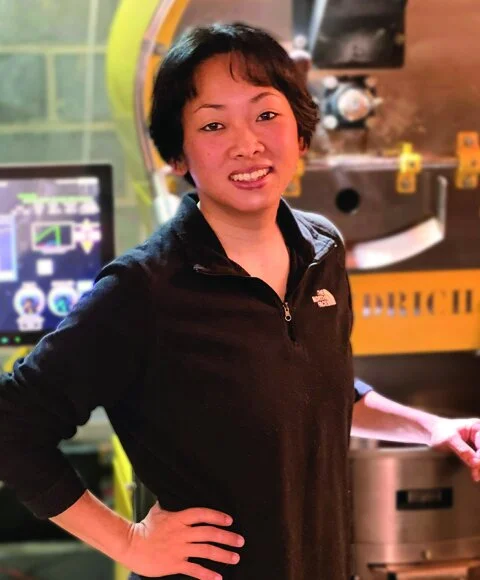
Presented by Nicki Amouri
A roast profile is made up of many decisions, and each one is important for creating the best tasting coffee and for maximizing roast output.
Learn where to push the limits in your roast profile—whether it’s your charge temperature, your turn around temperature, your heat application, or all of the above.
And learn how making tweaks in these areas affects the number one thing in coffee roasting: taste!
Taste the Process: Exploring the Impact of Processing Methods on Cup Profile
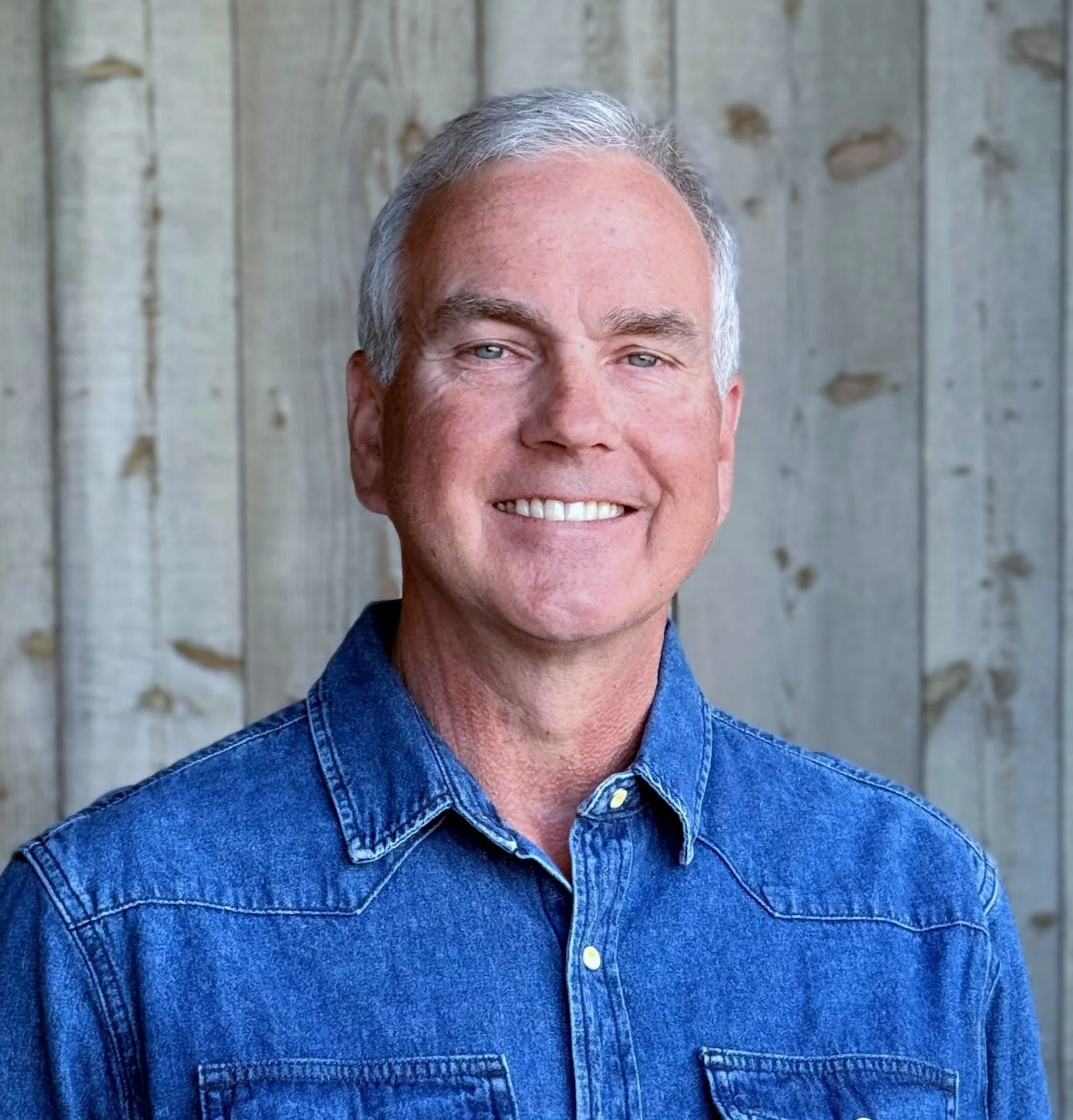
Presented by Scott Merle
Processing is one of the most important factors shaping coffee flavor, influencing sweetness, acidity, body, flavors and overall balance. In this session, we will taste and compare coffees processed through different methods and explore how decisions made after harvest affect the final cup.
Designed for coffee roasters, cuppers and marketers, this session will connect sensory experience with practical sourcing and roasting insight. We will look at how washed, honey, natural, and other processing styles influence flavor expression, consistency, and customer appeal. Participants will leave with a clearer understanding of how processing contributes to cup profile and how to communicate these differences more effectively to customers.
Thermal Control and Chemical Safety: How Roasting Profiles Impact Coffee Integrity
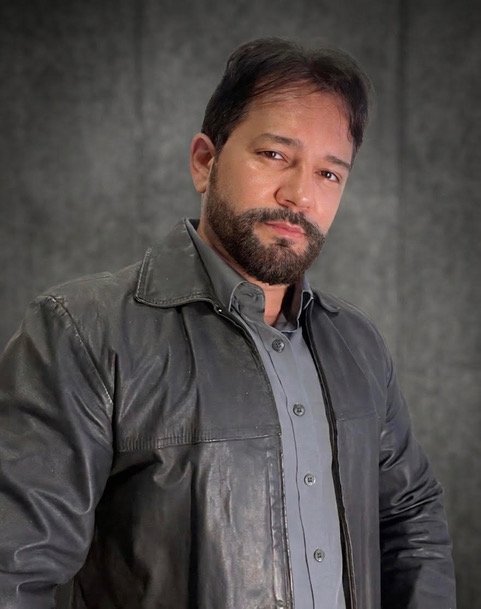
Presented by Luiz Severo
Where chemical safety meets specialty coffee quality? In this session, we will explore how thermal control manages undesirable heat-induced byproducts. Connecting food science to industrial practice, we will analyze the influence of the pyrolysis process and chemical degradation. Discover the impact of roasting profiles, time, and temperature on mitigating contaminants while preserving sensory complexity. Join us to understand scientific strategies that protect bean integrity, enhance quality control, and elevate your coffee's safety standards.

History, Geography & Tasting: Exploring the Coffees of Burundi and Rwanda, East Africa
Presented by JNP Coffee
East Africa is home to some of the world’s most distinctive and expressive coffees, shaped by high elevations, diverse terroirs, unique processing traditions, and generations of coffee-growing history. But these coffees also present unique considerations for roasters seeking to preserve and highlight their individual characteristics.
In this session, Michel Brode explores the coffees of East Africa and the Great Lakes Region, with a particular focus on the distinctive qualities of coffees from Rwanda and Burundi. Through a guided tasting of seven coffees, participants will examine how origin, altitude, processing, and other factors influence flavor and how those characteristics can be brought forward through thoughtful roasting.
Michel will share practical approaches to roasting high-altitude East African coffees, including considerations for developing profiles that highlight their acidity, sweetness, complexity, and distinctive cup characteristics. Participants will also explore the similarities and differences between coffees from neighboring origins, gaining a deeper understanding of how geography, history, farming practices, and processing shape what ultimately appears in the cup.
The session will connect roasting technique with the people and places behind these coffees, offering both practical insight for roasters and a broader perspective on the rich coffee cultures of East Africa.
What Makes a Partnership Good, Not Just Functional?
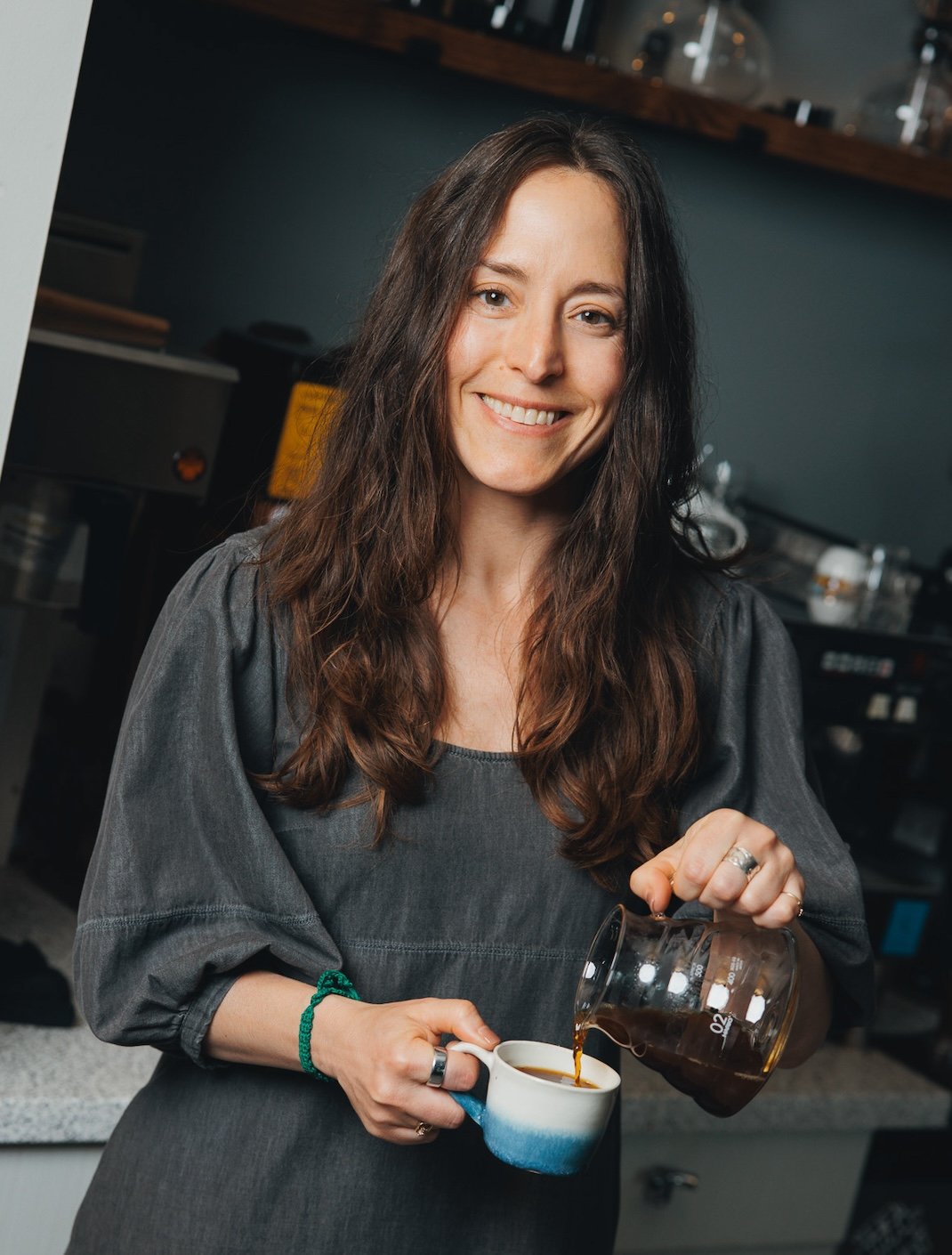
Moderated by Steven Lee
Terms like Direct Trade, Direct Sourcing, and Relationship Coffee are often used to describe closer connections between roasters, producers, and exporters—but what actually makes those relationships successful over time?
This panel discussion explores the realities behind sourcing partnerships and the factors that shape long-term value for everyone involved. Through perspectives from producing communities, sourcing relationships, and producer engagement, attendees will examine how trust, communication, economics, and power dynamics influence coffee buying relationships in ways that are not always visible.
Rather than viewing relationship coffee as automatically equitable or transparent, this conversation asks deeper questions around expectations, sustainability, risk, and shared responsibility. Participants will gain practical insights for approaching sourcing relationships with greater awareness and understanding, while exploring what meaningful partnership can look like beyond marketing language.


Roasting Workshop & Hands-on Roasting
Take what you learn and put it into practice during our hands-on roasting workshop. The experience will include a presentation covering roasting fundamentals, guided hands-on time on a variety of roasting machines, and opportunities to connect directly with roaster manufacturers—including Diedrich, Sivetz, San Franciscan, Loring, Roest, Aillio, Link, and Ikawa. Whether you're new to roasting or looking to expand your experience with different equipment, this is your chance to get behind the machines, ask questions, and learn by doing.



Advertisement